This class was a formative experience that established the baseline for my academic communication and critical analysis skills in college. The course’s core objectives; specifically, to gather, interpret, and critically assess information from diverse viewpoints, and to produce well-reasoned written arguments; directly challenged me to evolve my approach to scholarship. Through dedicated engagement with course materials, I worked rigorously to articulate how meaning is created in communication, moving beyond mere summary to actively evaluate evidence and arguments. My self-assessment across these competencies indicates significant growth, particularly in my capacity to apply disciplinary concepts to literary and artistic works, enabling me to construct analytical arguments that are consistently and powerfully supported by textual evidence.
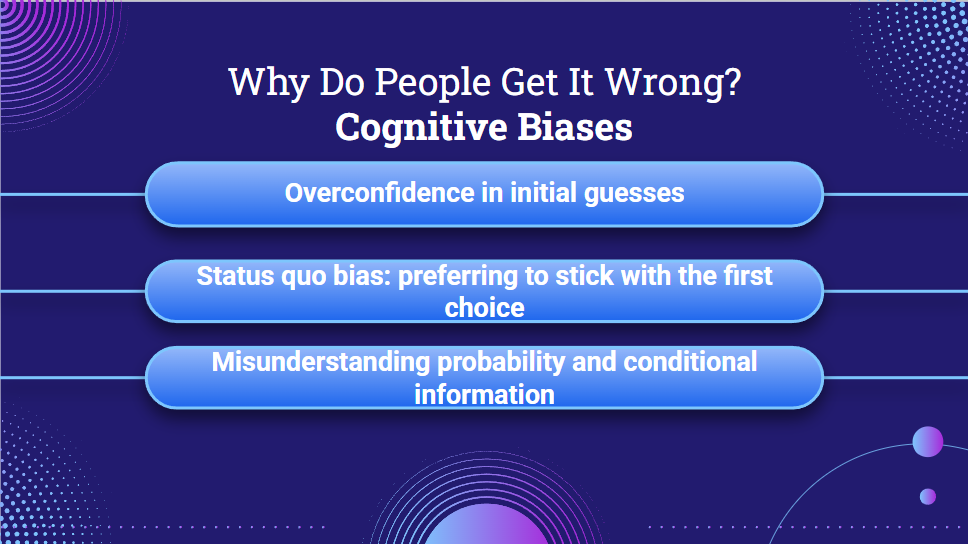
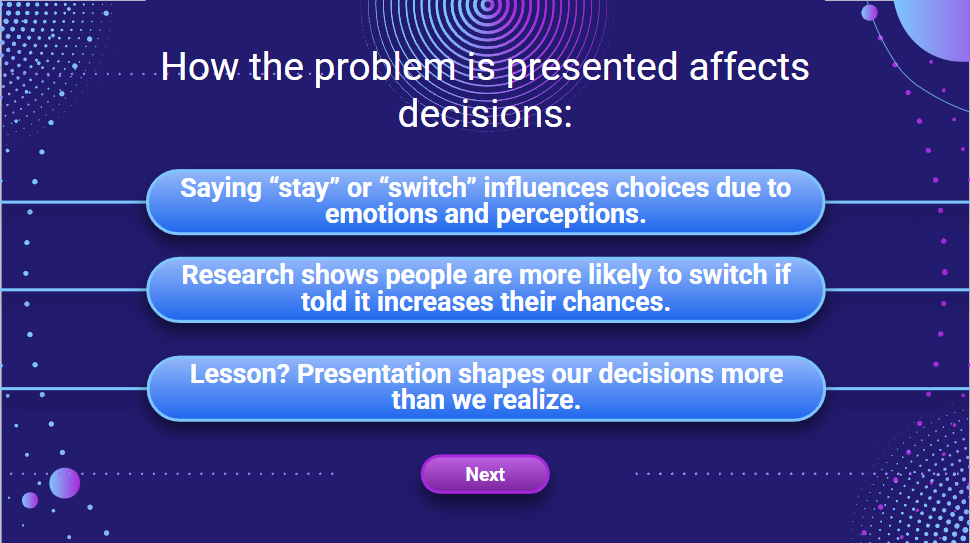
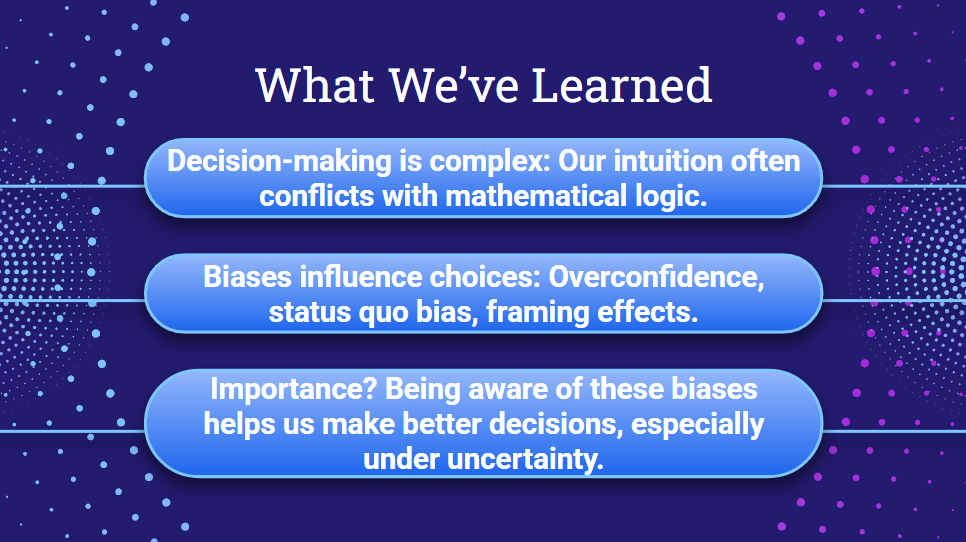
Reflecting on my analysis essay, I realize that I gained a deeper understanding of the cognitive biases and psychological concepts related to the Monty Hall problem, which helped me improve my ability to analyze complex ideas and support them with research. Writing about how biases like overconfidence and framing influence decision-making strengthened my skills in integrating evidence and explaining abstract concepts clearly. I also learned the importance of organizing my thoughts logically, as I aimed to create a coherent flow that guides the reader through my analysis. Overall, I feel I accomplished what I set out to do: to explore the psychological underpinnings of the problem and highlight their broader implications. The process helped me become a more confident and critical thinker and improved my ability to communicate intricate ideas effectively.
Reflecting on my personal essay, I realize that I gained a deeper understanding of my own journey as a nonbinary individual through the process of writing. Each section helped me explore different aspects of my experiences; how societal misunderstanding impacts my mental health, specific moments that challenged my confidence, and the ways I’ve found support and strength. Writing about these challenges and triumphs helped me process my emotions and solidify my sense of identity, which was empowering. As a writer, it pushed me to be more honest and vulnerable, and it improved my ability to articulate personal experiences with clarity and emotion. I also learned the importance of storytelling and how sharing personal narratives can foster empathy and connection. Overall, I feel I accomplished what I wanted: to convey my journey with authenticity and to reflect on the resilience and growth that come with living openly. The essay helped me recognize my progress and reaffirm my commitment to self-acceptance, and it strengthened my confidence in sharing my story.
Reflecting on my research essay, I realize that I gained a clearer understanding of the complex nature of societal stigma surrounding psychosis and how it impacts individuals’ lives. Each section helped me explore different aspects of this issue; such as the origins of stigma, its societal and psychological effects, and strategies to combat it; which deepened my knowledge and my ability to communicate these ideas effectively. Writing about the historical context, media influence, and the real-world consequences of stigma helped me develop a more nuanced perspective. As a writer, this process improved my research skills, strengthened my ability to synthesize information from various sources, and enhanced my capacity to organize a logical and compelling argument. I also learned how to incorporate quotations and evidence to support my points, making my writing more credible and persuasive. Overall, I feel I accomplished what I set out to do: to analyze the multifaceted nature of stigma related to psychosis and to highlight strategies for reducing it. The experience has made me more aware of the importance of framing social issues thoughtfully and of how research can support meaningful advocacy.